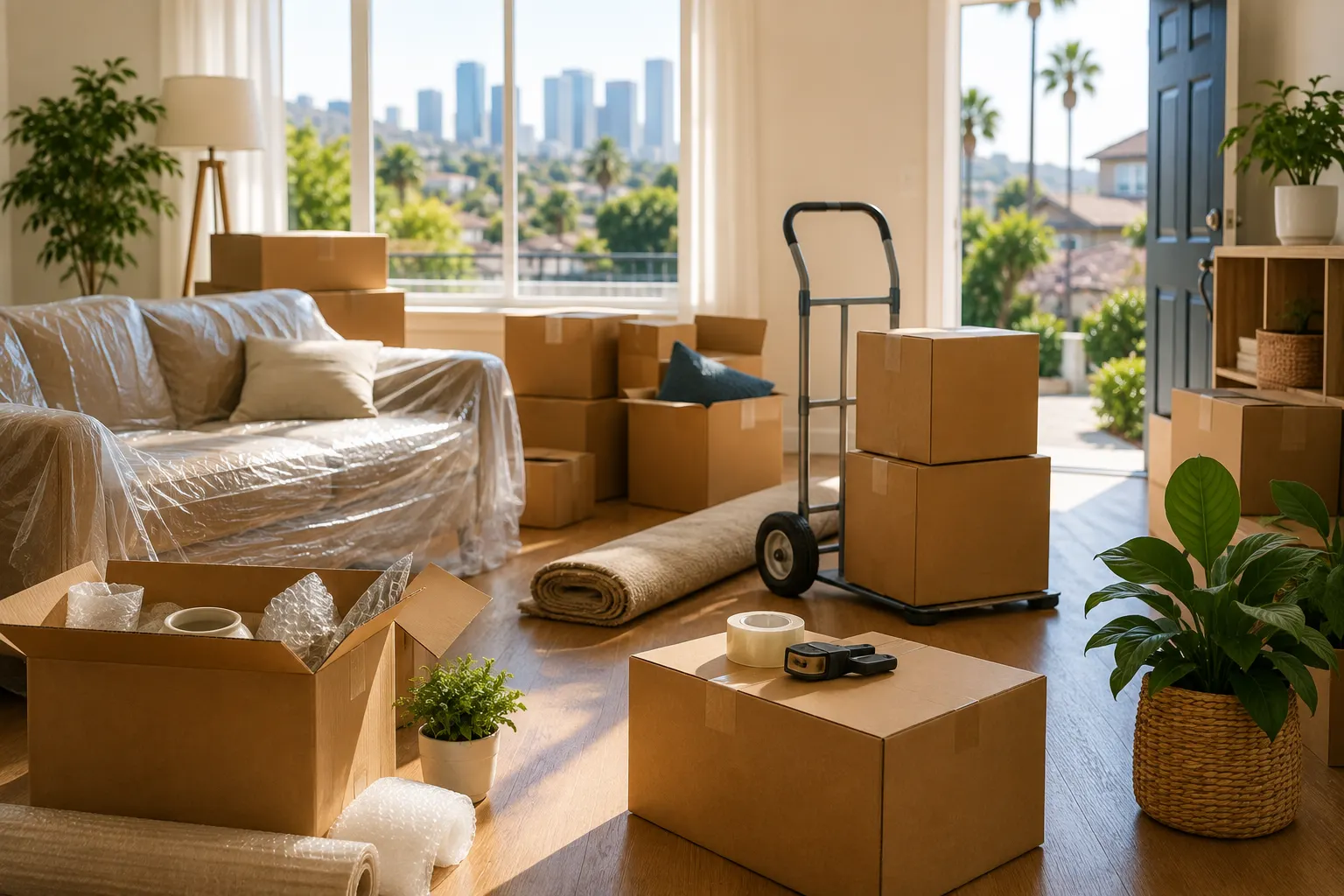
Tips and Guide for Relocation
Best Tips and Guide for people who want to relocate to a new place like to new home, apartment and business relocation.
Tips and Guide for Relocating
Relocating to a new home can be exciting, but it can also feel overwhelming. Whether you are moving to another neighborhood, a different city, or even a new country, relocation involves much more than simply packing a few boxes. You need to organize your belongings, plan your budget, arrange transportation, update important information, and prepare yourself for life in a new place.
The good news is that relocating does not have to be stressful. With proper planning and a few smart decisions, you can make your move smoother and more manageable. This guide shares practical tips to help you prepare for relocation and settle comfortably into your new home.
Start Planning Early
One of the biggest mistakes people make is waiting until the last minute to prepare. As soon as you know you will be moving, start creating a simple relocation plan.
Make a list of important tasks, such as:
- Choosing your moving date
- Sorting and organizing belongings
- Researching moving services
- Creating a moving budget
- Collecting packing supplies
- Updating your address
- Informing important contacts about your move
Breaking the process into smaller tasks can make relocation feel much less stressful. Instead of trying to complete everything in one or two days, you can gradually prepare for the move.
Create a Realistic Moving Budget
Relocation can involve several unexpected expenses. Besides the cost of hiring movers or renting a vehicle, you may need to pay for packing materials, storage, cleaning, travel, utility deposits, and other services.
Before moving, create a simple budget that includes both expected and possible extra costs. It is also helpful to keep some money aside for unexpected expenses.
Having a clear budget allows you to make better decisions and avoid financial stress during the relocation process.
Declutter Before You Pack
Moving is the perfect opportunity to decide what you actually need. Over time, most homes collect clothes, furniture, electronics, and other items that are rarely used.
Before packing, go through each room and separate your belongings into categories such as:
- Keep
- Donate
- Sell
- Recycle
- Dispose of
The fewer unnecessary items you take with you, the easier and potentially more affordable your move can be. Decluttering also helps you start fresh in your new home without carrying unwanted items from place to place.
Pack in an Organized Way
Packing can become frustrating when everything is placed into random boxes. A little organization can save you a lot of time later.
Pack similar items together and clearly label every box. For example, write the room name and a short description of the contents, such as Kitchen – Plates and Glasses or Bedroom – Clothes.
Fragile items should be wrapped carefully and marked clearly. It is also a good idea to prepare an essentials box containing items you may need immediately after arriving, such as:
- Important documents
- Phone chargers
- Basic toiletries
- Medicines
- A change of clothes
- Snacks and drinking water
- Basic cleaning supplies
This simple step can make your first day in the new home much more comfortable.
Choose the Right Moving Service
If you have a large amount of furniture or heavy belongings, professional movers can make the relocation process easier. Before choosing a moving company, compare the services offered and ask for clear information about pricing.
Make sure you understand what is included in the service. Some companies may offer packing, loading, transportation, unloading, storage, or furniture assembly.
It is always better to communicate your needs in advance, especially if you have large furniture, fragile items, stairs, elevators, or difficult access at either location.
Prepare Your New Home Before Moving Day
If possible, visit your new home before moving day. Check whether the utilities are working and make sure the space is clean and ready for your belongings.
You may also want to measure doorways, hallways, and rooms before moving large furniture. This can help you avoid discovering that a sofa, bed, or other large item does not fit where you planned to place it.
Planning the layout of your furniture ahead of time can also make unpacking faster.
Update Your Important Information
Relocating often means changing your address and contact details with important organizations and services. Create a checklist so you do not forget anything.
Depending on your situation, you may need to update information related to your bank, employer, school, insurance provider, subscriptions, healthcare services, and other accounts.
Taking care of these details early can help prevent missed mail, delayed services, or unnecessary complications after your move.
Take Care of Yourself During the Move
Moving can be physically and emotionally tiring. Try not to do everything without taking breaks. Get enough sleep, drink water, and avoid lifting heavy items incorrectly.
Relocation can also bring emotional changes, especially when you are leaving a familiar neighborhood, friends, or family members. Give yourself time to adjust to the new environment.
Once you arrive, start by unpacking the essentials and gradually organize the rest of your home. There is no need to make everything perfect on the first day.
Final Thoughts
Relocating is a major change, but it can also be the beginning of an exciting new chapter. The key is preparation. Start early, stay organized, reduce unnecessary belongings, manage your budget, and ask for professional help when needed.
By taking the relocation process one step at a time, you can reduce stress and focus on what really matters—settling into your new home and enjoying the opportunities that come with a fresh start.
- If you want to relocate and need help of professionals so we have solution Los Angeles Movers if your are in Los Angeles and want to reloacte
Frequently Asked Questions
How early should I start planning for relocation?
It is best to start planning as soon as your moving date is known. Beginning early gives you more time to organize, declutter, compare moving options, and handle important paperwork.
What should I pack first when relocating?
Start with items you do not use every day, such as seasonal clothing, decorations, books, and extra household items. Leave daily essentials until closer to moving day.
How can I make relocation less stressful?
Create a checklist, divide large tasks into smaller steps, start packing early, and avoid trying to do everything at the last minute. Professional moving assistance can also reduce physical stress.
Should I hire professional movers?
Professional movers can be helpful if you have heavy furniture, many belongings, limited time, or a long-distance move. Compare services and costs before making a decision.
What should I keep in an essentials box?
Your essentials box can include important documents, chargers, toiletries, medicines, clothes, snacks, water, and other items you may need during your first day or night.
How do I organize boxes for moving?
Label each box with the room it belongs to and a brief description of its contents. You can also number boxes or create a simple inventory list for easier tracking.
What should I do after moving into a new home?
Start by unpacking essential items, checking utilities, organizing important rooms, and gradually settling into the space. Take your time and avoid putting too much pressure on yourself to finish everything immediately
Related Posts



Need a Professional?
Browse verified service providers on HomeSols. From plumbers to electricians, find the right expert for your needs.
Browse Services