Fixed vs Floating Interest Rate Home Loans
Understanding fixed and floating interest rate home loans is crucial for making informed financial decisions. This guide helps you navigate your options.
Fixed vs Floating Interest Rate Home Loans
When considering a home loan, one of the most crucial decisions you'll face is whether to opt for a fixed or floating interest rate. Each type of interest rate has its advantages and disadvantages, which can significantly impact your financial future. This guide aims to break down these differences and help you make an informed choice that aligns with your financial goals.
Understanding Home Loan Interest Rates
Home loan interest rates are the fees that lenders charge borrowers for the money borrowed. These rates can be categorized into two main types: fixed and floating. Understanding these types is essential before you dive into the world of mortgage financing.
Fixed Interest Rate Home Loans
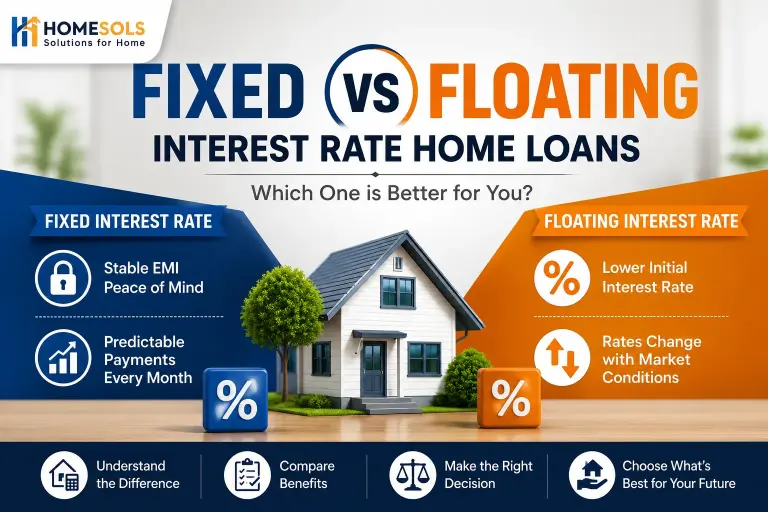
A fixed interest rate home loan is a type of mortgage where the interest rate remains constant throughout the loan term. This means that your monthly payments will remain the same, providing predictability and stability in your financial planning.
Floating Interest Rate Home Loans
In contrast, a floating interest rate home loan has an interest rate that can change over time based on market conditions. This means that your monthly payments may increase or decrease, depending on the prevailing interest rates.
Comparing Fixed and Floating Interest Rates
When deciding between fixed and floating interest rates, consider the following factors:
1. Loan Term
The length of time you plan to hold the loan can influence your choice. Fixed rates may be more suitable for long-term loans, while floating rates might appeal to those who plan to refinance or sell before the market changes.
2. Economic Climate
Assess the current economic conditions and interest rate trends. If rates are low and expected to rise, a fixed rate might be wise. Conversely, if rates are high and expected to drop, a floating rate could save you money.
3. Personal Financial Situation
Your financial stability plays a crucial role. If you prefer stability and have a tight budget, a fixed rate offers peace of mind. Alternatively, if you can manage fluctuations, a floating rate may present savings.
4. Lender's Offer
Different lenders offer varying terms for fixed and floating rates. It's essential to shop around and compare offers, potentially using a Home Loan EMI Calculator to understand how different rates affect your monthly payments.
Using the Home Loan EMI Calculator
To assess your options effectively, consider using our Home Loan EMI Calculator. This tool allows you to input different interest rates, loan amounts, and durations, helping you visualize your potential monthly payments. Whether you choose fixed or floating rates, the calculator can provide clarity on how these decisions impact your overall financial health.
Conclusion
Choosing between fixed and floating interest rate home loans is not just a financial decision but a significant step towards securing your dream home. Each option has its pros and cons, and understanding them is crucial for making an informed choice. Use our Home Loan EMI Calculator to explore your options and find a loan that fits your financial strategy. Remember, the right choice today can lead to greater financial health tomorrow.
For more resources on planning and budgeting, visit our calculators directory or explore our tools hub for additional tools that can help you in your home financing journey.
Useful Internal Resources
Explore expert blog posts, trusted local services, area guides to continue your research.
Related reads: Home Loan EMI Calculator, Calculators directory, All tools hub.
Frequently Asked Questions
What is a fixed interest rate home loan?
A fixed interest rate home loan features a stable interest rate throughout the loan period, ensuring consistent monthly payments.
How does a floating interest rate work?
A floating interest rate varies over time based on market conditions, resulting in fluctuating monthly payment amounts.
Which is better, fixed or floating interest rates?
The better option depends on your financial situation and market conditions. Fixed rates offer stability, while floating rates can provide savings if rates decrease.
Can I switch from a floating rate to a fixed rate?
Yes, many lenders allow you to switch from a floating to a fixed rate, but it may involve fees.
How can a calculator help in choosing a home loan?
A home loan calculator helps you compare monthly payments and total costs between fixed and floating rates, aiding in informed decision-making.
Related Posts




Need a Professional?
Browse verified service providers on HomeSols. From plumbers to electricians, find the right expert for your needs.
Browse Services