
Calculators & home solutions first
Free Home Calculators & Tools
Plus Trusted Services for Every Project
Estimate paint, coverage, and cost in minutes—then connect with verified professionals for plumbing, electrical, cleaning, moving, and more across UAE, US, UK, and Pakistan.
Calculators & Tools
Plan projects faster with calculators for painting, tiling, home loan EMI, coverage, and construction estimates. New tools are added here regularly.
Service categories
Featured services
Discover approved listings from our marketplace.





Latest from the blog
Guides and tips for homeowners.

Why Sargodha Stone Crush is Cheaper & Stronger Than Other Regions in Pakistan
Uncover the advantages of Sargodha stone crush in terms of cost and strength, making it a top choice for construction projects in Pakistan.

Home Loan EMI Calculation for First-Time Buyers
This comprehensive guide helps first-time home buyers understand how to calculate home loan EMI, offering practical tips and insights.
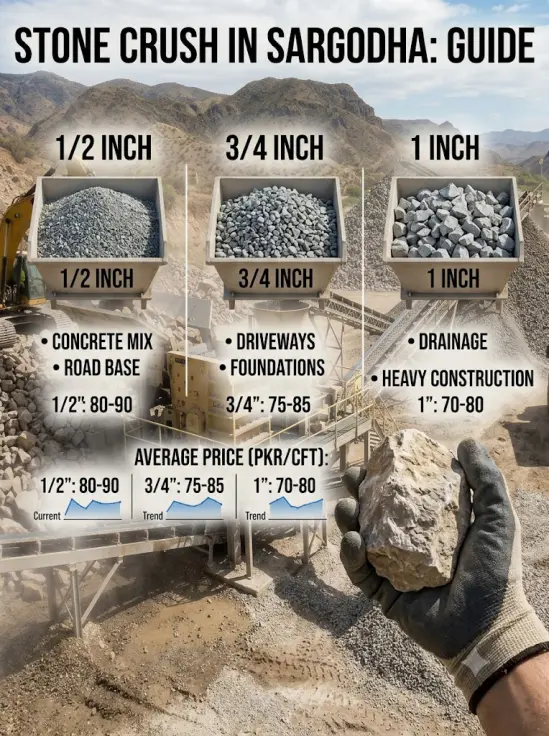
1/2, 3/4 & 1 Inch Stone Crush in Sargodha – Sizes, Uses & Price Guide
Discover the various sizes of stone crush available in Sargodha, including their uses and price guide, to enhance your construction projects.

Fixed vs Floating Interest Rate Home Loans
Understanding fixed and floating interest rate home loans is crucial for making informed financial decisions. This guide helps you navigate your options.

Bulk Stone Crush Supply in Sargodha for Contractors & Housing Projects
Explore the significance of bulk stone crush supply in Sargodha for contractors and housing projects, and discover how to source quality materials effectively.

How EMI Changes with Different Loan Tenures
Understand how different loan tenures impact your EMI payments and explore practical ways to calculate them effectively.

Stone Crush Supplier Near Me in Sargodha – Fast Delivery & Trusted Dealer
Discover fast delivery and trusted stone crush suppliers in Sargodha. Get the best quality construction materials for your projects.

Best Stone Crush for Construction in Sargodha – RCC, Slabs & Foundations Guide
Explore the best stone crush options for construction in Sargodha, focusing on RCC, slabs, and foundations to ensure quality and durability.
Need a professional? Explore services or create a free account.
Your complete guide to home improvement planning, calculators, and hiring professionals
Last updated for homeowners and renters who want clearer budgets, safer projects, and better outcomes—whether you are refreshing paint, booking maintenance, or planning a larger renovation.
HomeSols combines practical home calculators and tools with a structured marketplace where you can browse professional services by category and location. This guide explains how to use those resources together so you spend less time guessing, reduce costly rework, and communicate expectations clearly with providers from the first message to project completion.
Why planning matters before you open a paint can or hire a crew
Most budget overruns on residential projects trace back to incomplete scope, optimistic assumptions about surfaces, or underestimating preparation work. A wall that looks smooth often needs filling, sanding, and primer before topcoat. A bathroom refresh can reveal outdated plumbing or moisture damage once tiles are removed. When you start with measurements, material estimates, and a written checklist, you create a baseline that both you and your professional can reference. That baseline makes quotes more comparable because each provider is reacting to the same facts rather than filling gaps with different assumptions.
Planning also helps you sequence work logically. For example, it is usually more efficient to complete structural or rough electrical changes before finishing surfaces. If you are moving into a new home, batching tasks—deep cleaning, minor repairs, then cosmetic updates—often saves money compared with calling specialists back multiple times for overlapping visits. Treat your home like a small project portfolio: define milestones, capture photos before work begins, and keep receipts and warranties in one place.
Paint, coverage, and realistic quantities for interior projects
Interior paint projects are deceptively simple. Coverage depends on substrate porosity, existing color contrast, sheen, application method, and whether you use one coat or a dedicated primer plus two finish coats. Manufacturer labels provide theoretical coverage per liter, but real-world results vary. That is why a purpose-built paint calculator for walls is useful: it encourages you to input dimensions and assumptions you might otherwise skip, such as number of doors and windows or whether you are painting ceilings as well as walls.
When you translate estimated liters into purchase decisions, round sensibly and keep a small surplus for touch-ups rather than splitting single liters across rooms in ways that create color batch mismatches. Store leftover paint in a cool, dry place with the lid sealed, label the can with the room and date, and note the product code for future repairs. If you are changing sheen or brand, test patches on multiple walls and observe them at morning, midday, and evening light before committing to full coverage.
How calculators reduce surprises on labor and materials
Calculators do not replace professional site visits for complex jobs, but they help you ask sharper questions. If your own estimate for coverage is far from a contractor’s figure, you can discuss primer needs, repair patches, or surface preparation rather than accepting a vague difference. If you are comparing multiple quotes, aligning units—liters versus gallons, square meters versus square feet—prevents accidental apples-to-oranges comparisons.
Beyond paint, homeowners routinely estimate flooring quantities, lighting layouts, storage dimensions, and simple load ideas for shelving. Even rough numbers help you sanity-check retail suggestions and avoid buying excess material that cannot be returned. When you later read guides in our home improvement blog, you can connect article advice to numbers you already generated for your rooms, which makes the guidance more actionable.
Browsing services by category: from cleaning to skilled trades
Service marketplaces work best when categories reflect how people actually search. Instead of memorizing every possible keyword, start from the problem you observe: slow drains, flickering lights, stained upholstery, a lease-end clean, or help preparing a property for sale. Category pages group related providers so you can compare offerings within a consistent context. Look for clear descriptions of what is included, typical response times, and whether materials are supplied by the professional or purchased separately.
Choosing professionals: verification, scope, and communication
Strong hiring decisions combine evidence and conversation. Evidence includes consistent business details, relevant experience for your task size, and proof of insurance or licensing where applicable to your jurisdiction and project type. Conversation should clarify scope, access, parking, building rules for apartments and gated communities, disposal of waste, and what happens if hidden issues appear mid-project.
Ask for a written quote that separates labor, materials, and provisional sums for unknowns. Understand payment milestones and cancellation terms before work starts. During work, maintain a single channel for decisions to avoid conflicting instructions. At completion, walk through the site with the provider, test fixtures and functions together, and agree on any punch-list items before final payment when your agreement allows.
Regional context: UAE, United States, United Kingdom, and Pakistan
Building standards, tenancy rules, voltage and plug types, typical wall construction, and climate all influence what “normal” looks like for a home project. In hot climates, exterior paint and roofing materials face UV and thermal stress; products rated for local conditions often outperform generic imports chosen only for price. In dense urban environments, logistics matter: service elevators, permitted work hours, noise restrictions, and parking for vans affect both cost and schedule.
Where HomeSols lists providers across regions, use location filters and read profiles carefully rather than assuming interchangeability of regulations. When in doubt, confirm whether a task requires a licensed tradesperson in your area, especially for gas, electrical panel work, structural changes, or fire-safety-related installations.
Putting it together on HomeSols
Start with measurements and a calculator when paint or quantities are uncertain. Browse categories to shortlist providers, then request comparable quotes tied to the same scope. Read blog articles for context, and keep a simple project log as work proceeds. Whether you are touching up a rental, upgrading a family home, or maintaining an investment property, combining numbers, categories, and clear communication is the most reliable path to results you will be happy to live with.
For quick next steps, open the calculators and tools hub, try the wall paint estimator, tile calculator, room size calculator, cement and sand calculator, interior renovation cost estimator, explore services near you, and scan the latest articles for seasonal maintenance and common repairs.
If you are comparing multiple professionals, save their written scopes side by side and highlight differences in materials, preparation, and warranty language before you decide—small wording changes often explain large price gaps.