What to Do Before an Emergency Plumber Arrives in NYC
Discover what you need to do before an emergency plumber arrives in NYC to minimize damage and ensure a smooth repair process.
What to Do Before an Emergency Plumber Arrives in NYC
In the bustling city of New York, plumbing emergencies can strike at any time, often when you least expect it. Whether it’s a sudden leak, a burst pipe, or a clogged drain, knowing how to respond before an emergency plumber arrives can save you from further damage and costly repairs. This guide will provide you with essential steps to take when faced with a plumbing crisis.
Understanding the Urgency of Plumbing Emergencies
Plumbing emergencies are not just inconvenient; they can lead to extensive water damage, mold growth, and structural issues if not addressed promptly. In a vibrant metropolis like NYC, the fast pace of life makes it even more crucial to act swiftly and efficiently when faced with plumbing problems.
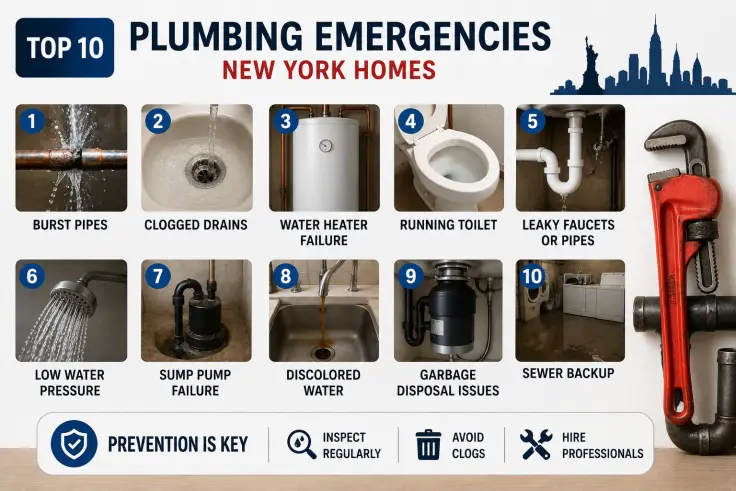
Common Plumbing Emergencies in NYC
Immediate Steps to Take Before Help Arrives
When a plumbing emergency occurs, your first instinct might be to panic. However, staying calm and taking the right steps can make a significant difference in the outcome. Here’s what you should do:
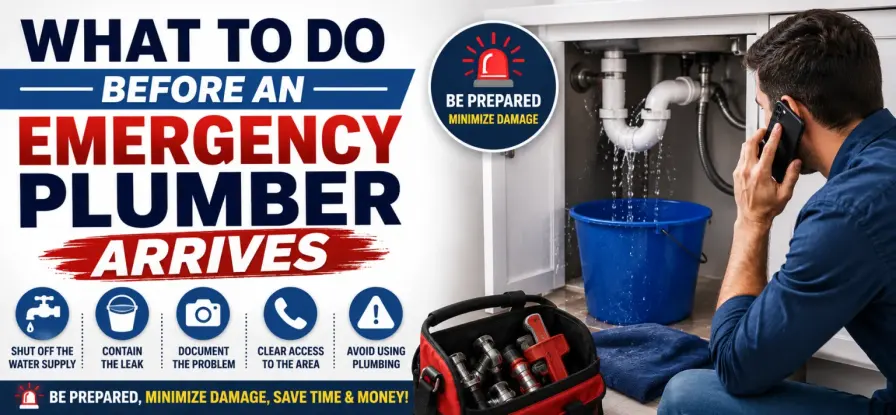
1. Turn Off Your Water Supply
The first step in handling a plumbing emergency is to shut off the water supply to prevent further damage. Locate the main water valve in your home, usually found in the basement, near the water meter, or outside the house. Turning this valve off can help minimize water flow and damage.
2. Assess the Situation
Once the water is turned off, assess the extent of the problem. Is it a small leak, or is water gushing from a pipe? Understanding the severity of the situation will help you communicate effectively with the emergency plumber when they arrive.
3. Clear the Area
If possible, move furniture, electronics, and valuables away from the affected area. This action can prevent damage and make it easier for the plumber to access the problem.
4. Document the Damage
Taking pictures or videos of the damage is crucial, especially if you need to file an insurance claim later. Documentation can help illustrate the problem to your plumber and your insurance company.
5. Prepare for the Plumber's Arrival
When calling an emergency plumber, be ready to provide them with essential details:
Tips for Managing Plumbing Emergencies in NYC
In addition to the immediate steps above, here are some tips that can help you manage plumbing emergencies more effectively:
Stay Calm and Collected
Keeping a level head during a plumbing crisis is essential. Panic can lead to hasty decisions that may worsen the situation. Take a deep breath and focus on the steps you need to take.
Know Your Plumbing System
Familiarize yourself with your home’s plumbing system. Understanding where the shut-off valves are located, as well as the layout of your pipes, can save valuable time during an emergency.
Have a Reliable Plumber on Speed Dial
It’s wise to have the contact information of a trusted emergency plumber saved on your phone. This ensures that you can reach out quickly when trouble arises.
Preventative Measures to Avoid Future Emergencies
While it’s impossible to predict when a plumbing emergency may occur, there are preventative measures you can take to reduce the likelihood.
Regular Maintenance Checks
Schedule regular plumbing inspections to catch small issues before they escalate. A professional plumber can identify potential problems and recommend fixes.
Know the Signs of Plumbing Issues
Pay attention to your plumbing system. Common signs of trouble include:
Install Water Detection Devices
Consider installing water leak detectors in critical areas such as basements and near water heaters. These devices can alert you to leaks before they become serious emergencies.
Conclusion
Being prepared for a plumbing emergency can make a significant difference in how you handle the situation. By following the steps outlined here, you can minimize damage and ensure that professional help arrives as quickly as possible. Remember, for any plumbing issues, you can always count on HomeSols’ emergency plumbing services in New York City—available 24/7 to assist you in your time of need. Also get plumber service in Miami
Don’t wait for a plumbing disaster to strike. Be proactive and know what to do when it happens. Contact us today for reliable plumbing services!
Useful Internal Resources
Explore expert blog posts, area guides to continue your research.
Related reads: All Services, All Blog Posts, All Service Areas.
Frequently Asked Questions
What should I do first during a plumbing emergency?
Turn off the water supply to prevent further damage.
How can I prevent plumbing emergencies?
Regular maintenance checks and being aware of the signs of plumbing issues can help.
How do I find a reliable emergency plumber in NYC?
Look for licensed plumbers with positive reviews and keep their contact information handy.
What information should I provide to the plumber?
Give your address, a description of the problem, and any actions you've already taken.
Can I document the damage for insurance?
Yes, take photos or videos to help with your insurance claim.
Related Posts
Need a Professional?
Browse verified service providers on HomeSols. From plumbers to electricians, find the right expert for your needs.
Browse Services