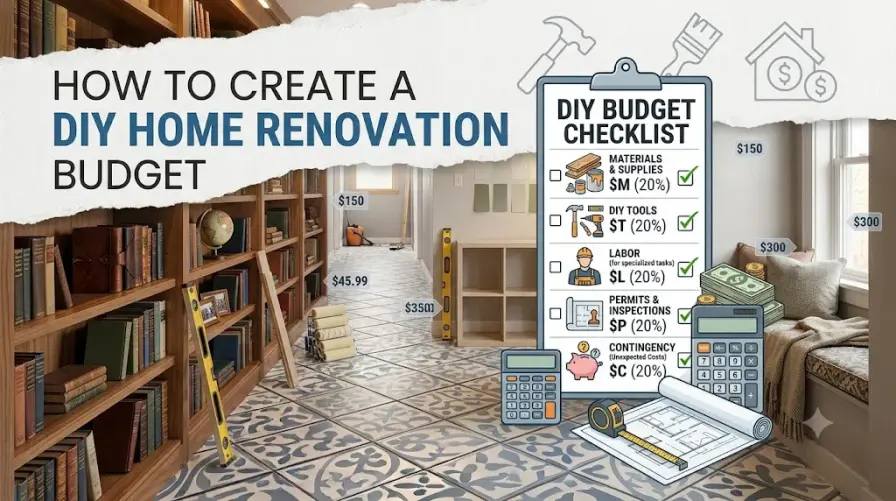
How to Create a DIY Home Renovation Budget
Creating a DIY home renovation budget is essential for a successful project. This guide provides actionable steps and tips to help you plan effectively.
How to Create a DIY Home Renovation Budget
When planning a home renovation, creating a budget is one of the most crucial steps to ensure your project runs smoothly and doesn’t break the bank. Whether you're updating a single room or undertaking a whole-house overhaul, having a solid budget can help you allocate funds effectively, avoid unexpected costs, and ultimately help you achieve your dream home without financial stress.
Understanding the Importance of a Renovation Budget
A home renovation budget serves as a financial roadmap for your project. It helps you:
Steps to Create Your DIY Home Renovation Budget
Below are actionable steps to create a comprehensive DIY home renovation budget:
1. Define Your Renovation Goals
Start by outlining what you want to achieve with your renovation. Are you looking to increase your home's value, improve functionality, or simply refresh your living space? Clear goals will guide your budget planning.
2. Research Costs
Gather information on the costs associated with your planned renovations. This could include:
Use tools like our DIY Renovation Budget Calculator to estimate your costs more accurately.
3. Create a Detailed Budget Breakdown
Break down your budget into specific categories:
Make sure to itemize each category to have a clear overview of where your money is going.
4. Prioritize Your Renovation Projects
With your detailed budget breakdown in hand, prioritize your renovation projects. Consider which projects are essential to your home’s functionality and which are more aesthetic. This will help you focus on what needs to be done first and what can wait.
5. Keep Track of Your Spending
As you begin your renovation, keep meticulous records of all your expenses. Use a spreadsheet or budgeting app to track your spending against your budget. Regularly updating your budget will help you identify any overspending early on.
6. Adjust as Necessary
Be prepared to adjust your budget as your project progresses. Unforeseen costs can arise, so it's vital to remain flexible and responsive to changes. If you find you've spent less in one area, consider reallocating those funds to another project or save them for future improvements.
Affordable Home Renovation Budgeting Tips
Staying on budget doesn’t mean sacrificing quality. Here are some tips to help keep your renovation costs down:
Using Tools for Budgeting
In addition to the DIY Renovation Budget Calculator, there are other tools available to assist with budgeting for home improvements:
Conclusion
Creating a DIY home renovation budget is an essential step in making your renovation dreams a reality. By following these steps and utilizing tools like our DIY Renovation Budget Calculator, you can plan effectively, stay within your financial means, and achieve the results you desire. Remember, the key to a successful renovation lies in careful planning and budgeting. Start your journey today and transform your home!
Call to Action
Ready to take the first step in planning your renovation? Access our DIY Renovation Budget Calculator today and start crafting the perfect budget for your home improvement project!
Useful Internal Resources
Explore expert blog posts, trusted local services, area guides to continue your research.
Related reads: DIY Renovation Budget Calculator, Calculators directory, All tools hub.
Frequently Asked Questions
What is a DIY home renovation budget?
A DIY home renovation budget is a financial plan that outlines the estimated costs associated with home improvements, including materials, labor, and unforeseen expenses.
How can I estimate my home renovation costs?
You can estimate your home renovation costs by researching material prices, labor costs, and using tools like the DIY Renovation Budget Calculator for accurate calculations.
What should I include in my renovation budget?
Include costs for materials, labor, permits, and a contingency fund for unexpected expenses in your renovation budget.
What are some tips for sticking to a renovation budget?
To stick to your renovation budget, prioritize projects, track your spending regularly, and remain flexible to adjust as necessary.
Can I renovate my home on a budget?
Yes, you can renovate on a budget by doing some work yourself, shopping smart, reusing materials, and planning projects during off-peak seasons.
Related Posts




Need a Professional?
Browse verified service providers on HomeSols. From plumbers to electricians, find the right expert for your needs.
Browse Services