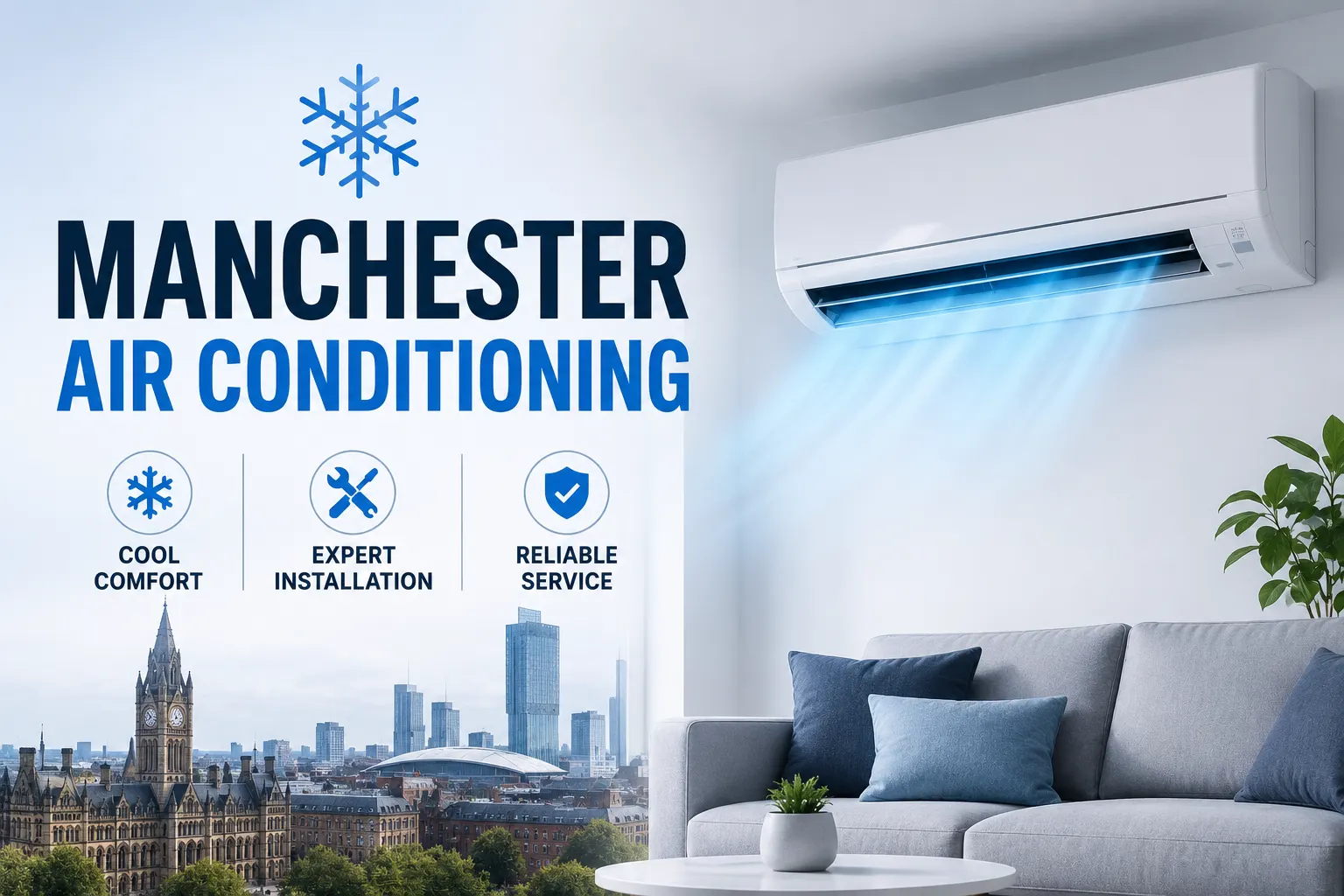
Manchester Air Conditioning – Install, Repair & Service
Manchester Air Conditioning – Fast AC Installation, Repairs & Servicing by Local Experts
The summer of 2026 is predicted to be one of the hottest on record, with temperatures in Manchester and across the UK set to soar. As the mercury rises, the importance of a reliable and efficient air conditioning system becomes paramount. For residents and businesses in Manchester, understanding the nuances of air conditioning, from installation and maintenance to repair and energy efficiency, is key to ensuring comfort and well-being throughout the warmer months. This comprehensive guide delves into everything you need to know about Manchester air conditioning in 2026, offering insights and practical advice to help you navigate the complexities of staying cool.
According to the Met Office, the UK has experienced a significant warming trend over the past few decades, with the ten warmest years on record all occurring since 2002. This trend highlights the increasing need for effective climate control solutions, especially in urban centers like Manchester, where heat island effects can exacerbate rising temperatures. Source: Met Office
The Growing Importance of Air Conditioning in Manchester
Historically, air conditioning was considered a luxury in the UK, a solution reserved for commercial buildings or particularly hot climates. However, the changing weather patterns and increasing awareness of indoor air quality have shifted this perception. In 2026, air conditioning is no longer just about comfort; it's about health, productivity, and creating a more livable environment.
Health Benefits of Air Conditioning
High temperatures can pose serious health risks, particularly for vulnerable populations such as the elderly, young children, and individuals with pre-existing health conditions. Heatstroke, dehydration, and the exacerbation of respiratory problems are all linked to prolonged exposure to excessive heat. A well-functioning air conditioning system can mitigate these risks by maintaining a safe and comfortable indoor temperature. Furthermore, modern air conditioning units often include advanced filtration systems that can remove allergens, pollutants, and airborne pathogens, contributing to improved indoor air quality and reducing the incidence of allergies and respiratory illnesses. Studies have shown that improved indoor air quality can lead to a reduction in sick days for office workers, boosting overall productivity. Source: World Health Organization
Productivity and Comfort
For businesses in Manchester, a comfortable working environment is directly linked to employee productivity and customer satisfaction. Overheating offices can lead to lethargy, reduced concentration, and increased errors. Conversely, a cool and well-ventilated workspace can enhance focus, boost morale, and create a more positive atmosphere. Similarly, for homeowners, air conditioning transforms living spaces into havens of relaxation, allowing for better sleep and overall enjoyment of the home, especially during heatwaves.
Environmental Considerations
While the primary function of air conditioning is cooling, modern systems are increasingly designed with energy efficiency and environmental impact in mind. In 2026, consumers are more aware than ever of their carbon footprint, and choosing an energy-efficient air conditioning unit can significantly reduce electricity consumption and associated emissions. This aligns with the UK's broader environmental goals and contributes to a more sustainable future.
Types of Air Conditioning Systems for Manchester Homes and Businesses
Choosing the right air conditioning system depends on various factors, including the size of the space, budget, existing infrastructure, and specific cooling needs. Manchester residents and businesses have several options available:
Split Systems
Split systems are the most common type of air conditioning for both residential and commercial applications. They consist of two main units: an outdoor unit containing the compressor and condenser, and one or more indoor units containing the evaporator and air filter. These systems are known for their quiet operation and energy efficiency.
- Single-Split System: This setup connects one outdoor unit to one indoor unit, ideal for cooling a single room or a small area.
- Multi-Split System: This system uses one outdoor unit to power multiple indoor units, allowing for individual temperature control in different rooms or zones. This offers greater flexibility and is often a good choice for larger homes or offices where different areas have varying cooling requirements.
Ducted Systems
Ducted air conditioning systems, also known as central air conditioning, use a network of ducts to distribute cooled air throughout an entire building. A central unit, typically located in the attic or a utility space, cools the air, which is then blown through the ducts to various vents in different rooms.
- Advantages: Ducted systems offer discreet cooling, as the indoor components are hidden within the walls and ceilings. They provide consistent temperature control across the entire property and can be integrated with heating systems for year-round climate control.
- Considerations: Installation can be more complex and expensive, especially in older properties that may not have existing ductwork. Regular maintenance of the ducts is also crucial to ensure optimal performance and air quality.
Portable Air Conditioners
Portable air conditioners are self-contained units that can be moved from room to room. They require an exhaust hose to be vented outside, usually through a window.
- Pros: They are relatively inexpensive, easy to set up, and do not require permanent installation, making them a good option for renters or for temporary cooling needs.
- Cons: Portable units are generally less energy-efficient and can be noisier than split or ducted systems. Their cooling capacity is also typically lower, making them best suited for smaller spaces.
Window Air Conditioners
Similar to portable units, window air conditioners are self-contained and designed to be installed in a window frame. They are a more permanent solution than portable units but less integrated than split or ducted systems. While popular in some regions, they are less common in the UK compared to split systems due to aesthetic preferences and the typical construction of UK homes.
Key Considerations When Choosing an Air Conditioning System in Manchester
Selecting the right air conditioning system is a significant investment. Here are crucial factors to consider in 2026:
Energy Efficiency (SEER and EER Ratings)
Energy efficiency is paramount, not only for reducing electricity bills but also for minimizing environmental impact. Look for units with high Seasonal Energy Efficiency Ratio (SEER) and Energy Efficiency Ratio (EER) ratings. These ratings indicate how effectively the unit converts electricity into cooling power. Higher ratings mean greater efficiency. Government regulations and energy labels provide clear guidance on the efficiency of different models. In 2026, the focus on sustainable technology is stronger than ever, and choosing an energy-efficient system is a responsible decision.
Cooling Capacity (BTUs)
The cooling capacity of an air conditioner is measured in British Thermal Units (BTUs). The required BTU capacity depends on the size of the room or building to be cooled, ceiling height, insulation levels, and the number of occupants. An undersized unit will struggle to cool the space effectively, while an oversized unit will cycle on and off too frequently, leading to inefficient operation, uneven cooling, and increased wear and tear. Professionals can perform a load calculation to determine the appropriate BTU for your specific needs.
Installation and Maintenance
Proper installation is critical for the optimal performance and longevity of any air conditioning system. It's essential to hire qualified and experienced technicians who understand the specific requirements of your property and the chosen system. Regular maintenance, including cleaning filters, checking refrigerant levels, and inspecting components, is also vital. Neglecting maintenance can lead to reduced efficiency, higher energy bills, premature breakdowns, and potential health issues due to poor air quality. Many service providers offer comprehensive maintenance plans to ensure your system runs smoothly. For residents in Manchester, finding a reputable local provider is key. Services like those offered by HomeSols for AC technician in Manchester can be invaluable.
Cost
The cost of an air conditioning system involves several components: the unit itself, installation fees, and ongoing running costs (electricity) and maintenance. While initial costs can vary significantly, it's important to consider the long-term value. A more expensive, highly efficient system might have lower running costs over its lifespan, making it more economical in the long run.
Smart Technology and Connectivity
In 2026, smart technology is increasingly integrated into home and building management systems. Many modern air conditioners come with Wi-Fi connectivity, allowing users to control and monitor their systems remotely via smartphone apps. This enables features like scheduling cooling, adjusting temperatures before arriving home, and receiving maintenance alerts. Smart thermostats can also learn your preferences and optimize energy usage automatically.
Air Conditioning Maintenance and Repair in Manchester
Even the best air conditioning systems require attention to ensure they continue to operate efficiently and reliably.
Routine Maintenance
- Filter Cleaning/Replacement: Air filters are the first line of defense against dust and allergens. They should be cleaned or replaced regularly, typically every 1-3 months, depending on usage and environmental factors. Clogged filters restrict airflow, reduce efficiency, and can lead to system strain.
- Coil Cleaning: The evaporator and condenser coils can accumulate dirt and debris over time, hindering heat transfer. Professional cleaning of these coils is recommended annually.
- Refrigerant Levels: Refrigerant is the substance that enables the cooling process. Leaks can lead to reduced cooling capacity and potential damage to the compressor. A professional technician can check and adjust refrigerant levels.
- Drainage System Check: Condensation is a byproduct of the cooling process. The system's drainage line must be clear to prevent water buildup, which can cause leaks and potential water damage.
Common Repair Issues
- System Not Cooling: This can be due to low refrigerant, a faulty compressor, dirty coils, or a malfunctioning thermostat.
- Weak Airflow: Often caused by dirty filters, blocked vents, or issues with the fan motor.
- Unusual Noises: Strange sounds like grinding, buzzing, or rattling can indicate mechanical problems with the fan, motor, or compressor.
- Water Leaks: Usually a sign of a clogged drain line or a problem with the condensate pump.
- System Short Cycling: The unit turns on and off rapidly, often due to an oversized unit, a dirty filter, or a malfunctioning thermostat.
For residents and businesses in Manchester experiencing issues, prompt professional service is crucial. A qualified technician can diagnose the problem accurately and perform the necessary repairs to restore optimal function. Source: U.S. Environmental Protection Agency (EPA) on Energy Star
Enhancing Energy Efficiency and Sustainability
As energy costs continue to be a concern and environmental consciousness grows in 2026, optimizing air conditioning efficiency is a priority.
Regular Maintenance is Key
As detailed above, consistent maintenance is the most straightforward way to ensure your system runs at peak efficiency. A well-maintained unit uses less energy to achieve the desired temperature.
Smart Thermostat Usage
Smart thermostats offer significant energy savings by learning your habits and adjusting the temperature automatically when you're away or asleep. They also provide detailed energy usage reports, helping you identify areas for improvement.
Sealing and Insulation
The effectiveness of your air conditioning system is heavily influenced by your home's or building's insulation and air sealing. Poorly insulated properties lose cool air quickly, forcing the AC to work harder. Ensuring proper insulation in walls, attics, and crawl spaces, and sealing air leaks around windows, doors, and ductwork, can dramatically improve efficiency and reduce cooling costs. Source: U.S. Department of Energy
Proper System Sizing
An appropriately sized system, as discussed earlier, is fundamental to efficiency. An oversized unit wastes energy through short cycling, while an undersized unit struggles and runs constantly.
Considering Heat Pumps
In the UK's climate, heat pumps are becoming an increasingly popular and energy-efficient alternative or complement to traditional air conditioning. Heat pumps can provide both heating and cooling by transferring heat rather than generating it, making them highly efficient. While the initial investment can be higher, the long-term energy savings and environmental benefits are substantial.
Natural Cooling Techniques
While not a replacement for air conditioning, several natural cooling techniques can supplement your system and reduce reliance on it:
- Shading: Using blinds, curtains, or external shades can block direct sunlight from entering the building, significantly reducing heat gain.
- Ventilation: Opening windows and doors during cooler parts of the day (early morning and late evening) can help flush out hot air and bring in cooler air.
- Ceiling Fans: Ceiling fans don't cool the air but create a wind-chill effect that makes occupants feel cooler, allowing for higher thermostat settings without sacrificing comfort.
The Future of Air Conditioning in Manchester
The air conditioning landscape is continually evolving, driven by technological advancements and environmental imperatives.
Increased Focus on Smart Technology
The integration of IoT (Internet of Things) devices will continue to grow. Expect more sophisticated smart thermostats, predictive maintenance alerts, and systems that can learn and adapt to user behavior and external weather conditions with even greater precision.
Advanced Refrigerants
There is a global push towards developing and adopting refrigerants with lower Global Warming Potential (GWP). In 2026, manufacturers are increasingly offering units that utilize these more environmentally friendly refrigerants, aligning with international climate agreements.
Decentralized and Zoned Cooling
As buildings become more sophisticated, so too will cooling solutions. Zoned systems and even highly localized cooling units that target specific areas or individuals will become more prevalent, offering greater control and energy efficiency.
Integration with Renewable Energy
The synergy between air conditioning and renewable energy sources like solar power will become more pronounced. Homes and businesses equipped with solar panels can offset the electricity consumption of their air conditioning systems, further reducing costs and environmental impact.
Choosing a Reputable Air Conditioning Service Provider in Manchester
When it comes to installing, maintaining, or repairing your air conditioning system, the choice of service provider is crucial. In Manchester, look for companies that offer:
- Qualified Technicians: Ensure technicians are certified and have a proven track record.
- Transparent Pricing: Get detailed quotes upfront and understand all costs involved.
- Customer Reviews: Check online reviews and testimonials to gauge customer satisfaction.
- Warranty and Guarantees: Inquire about warranties on parts and labor.
- Emergency Services: For urgent repairs, check if they offer 24/7 emergency support.
A well-chosen provider will ensure your system is installed correctly, maintained properly, and repaired efficiently, providing peace of mind throughout the year.
Conclusion
As Manchester navigates the increasingly warm summers of 2026 and beyond, the role of efficient and reliable air conditioning systems cannot be overstated. From ensuring health and comfort to enhancing productivity and contributing to environmental sustainability, a well-managed AC system is an essential component of modern living and working. By understanding the different types of systems available, prioritizing energy efficiency, and committing to regular maintenance and professional service, residents and businesses in Manchester can effectively manage their indoor climate, stay cool, and enjoy a more comfortable and healthy environment. Investing in the right air conditioning solution in 2026 is not just about beating the heat; it's about investing in well-being, efficiency, and a sustainable future.
الأسئلة الشائعة
What is the average cost of installing an air conditioning system in Manchester?
he cost of installing an air conditioning system in Manchester can vary significantly based on the type of system, the size of the property, the complexity of the installation, and the specific brand and model chosen. For a typical split system for a single room, you might expect to pay anywhere from £1,500 to £3,000 or more in 2026. Multi-split systems or fully ducted central air conditioning for an entire house will naturally be more expensive, potentially ranging from £5,000 to £10,000 or even higher for larger or more complex installations. It's always recommended to get multiple quotes from reputable local installers to get an accurate estimate for your specific needs.
How often should I have my air conditioning system serviced?
It is generally recommended to have your air conditioning system serviced at least once a year, preferably before the start of the cooling season (i.e., in late spring). Regular professional maintenance helps ensure the system is running efficiently, prevents potential breakdowns, improves air quality, and can extend the lifespan of the unit. During a service, a technician will typically clean filters, check refrigerant levels, inspect electrical components, clean coils, and ensure the overall system is functioning correctly.
Can air conditioning help with allergies?
Yes, air conditioning systems can significantly help with allergies. Modern air conditioning units often come equipped with advanced filtration systems that trap airborne particles such as dust, pollen, mold spores, and pet dander. By circulating and filtering the indoor air, these systems can reduce the concentration of allergens in your home or office, providing relief for allergy sufferers. Regular cleaning and replacement of the filters are crucial to maintain this benefit.
What is the energy efficiency rating for air conditioners, and what should I look for?
The energy efficiency of air conditioners is typically measured by the Seasonal Energy Efficiency Ratio (SEER) and the Energy Efficiency Ratio (EER). Higher SEER and EER ratings indicate greater efficiency. In 2026, look for units with high ratings, ideally those that meet or exceed the highest energy efficiency standards set by regulatory bodies. Energy efficiency labels, such as those found on appliances in Europe, provide a clear rating from A+++ (most efficient) downwards. Choosing a more energy-efficient unit will result in lower electricity bills and a reduced environmental impact.
How long does an air conditioning system typically last?
With proper installation and regular maintenance, a well-maintained air conditioning system can last between 10 to 20 years. The lifespan can vary depending on the quality of the unit, the frequency of use, the climate, and the quality of the maintenance it receives. Neglecting maintenance can significantly shorten the operational life of the system and lead to more frequent and costly repairs.
Is it cheaper to run an air conditioner or a fan?
In general, running a fan is significantly cheaper than running an air conditioner. Fans use a fraction of the electricity that air conditioners consume. However, fans do not cool the air; they create a wind-chill effect that makes you feel cooler. Air conditioners actively cool the air by removing heat and humidity. For mild temperature increases, a fan might be sufficient. For significant heat and humidity, an air conditioner is necessary for true cooling, though using fans in conjunction with an AC can allow you to set the thermostat slightly higher, saving energy.
Related Services



Read Our Blog
Get tips, guides and expert advice on AC Technician services and home maintenance on the HomeSols blog.
Visit Our Blog