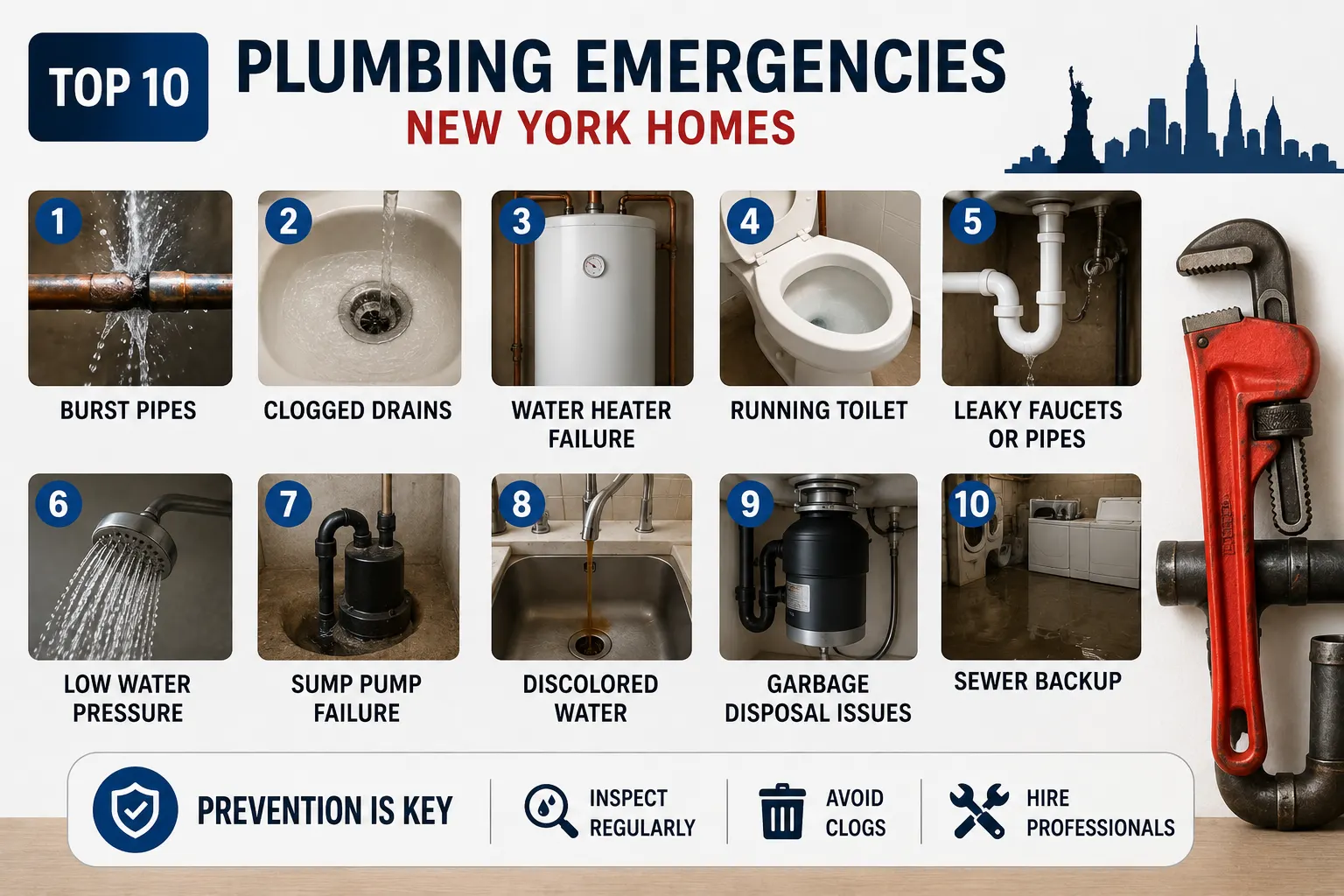
Top 10 Common Plumbing Emergencies in New York Homes (And How to Prevent Them)
Learn about the top plumbing emergencies in New York homes and how to prevent them to ensure your peace of mind.
As a homeowner in New York, you understand that plumbing emergencies can arise at any moment. The unpredictability of these situations can often lead to stress and costly repairs. Knowing the most common plumbing issues and how to prevent them can save you time, money, and headaches.
This article identifies the top 10 plumbing emergencies that New York homeowners often face, along with practical tips for prevention. Being prepared can help you mitigate the impact of these emergencies and ensure your home remains a safe and comfortable space. Click here for Emergency Plumbing Services in New York
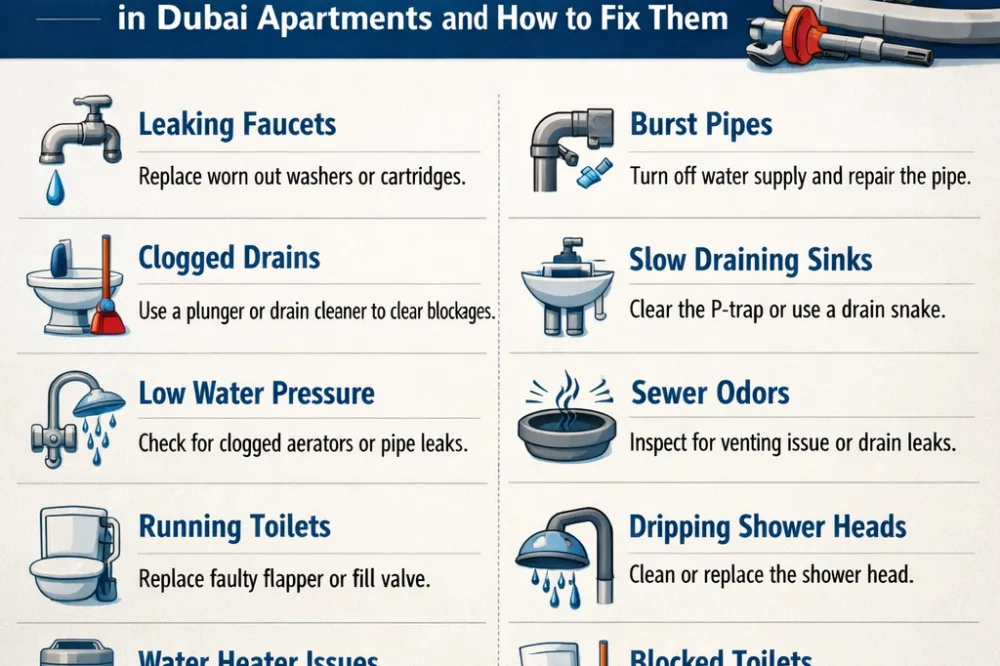
1. Burst Pipes
One of the most alarming plumbing emergencies is a burst pipe. This can cause significant water damage and mold growth if not addressed quickly.
Prevention Tips:
2. Clogged Drains
Clogged drains can lead to backups and overflow, creating unsanitary conditions in your home. In a bustling city like New York, this can be a common issue.
Prevention Tips:
3. Toilet Malfunctions
Toilet malfunctions, including clogs and running toilets, are frequent issues in New York homes. These problems not only disrupt daily life but can also lead to larger plumbing issues.
Prevention Tips:
4. Water Heater Failures
A malfunctioning water heater can leave you without hot water, which is especially inconvenient during the colder months in New York.
Prevention Tips:
5. Sewer Backups
Sewer backups can be hazardous and lead to extensive damage. This issue is more prevalent in densely populated areas like New York due to aging infrastructure.
Prevention Tips:
6. Leaky Faucets
Leaky faucets may seem minor, but they waste a significant amount of water over time and can increase your water bill.
Prevention Tips:
7. Sump Pump Failures
Sump pumps protect your home from flooding, especially during heavy rainfalls common in New York. A failure can lead to significant water damage.
Prevention Tips:
8. Garbage Disposal Issues
Garbage disposals can jam or break down, leading to unpleasant odors and backups in your kitchen sink.
Prevention Tips:
9. Faulty Showers
Problems with your shower, such as leaks or inconsistent water temperature, can be frustrating and wasteful.
Prevention Tips:
10. Ice Dams
In winter, ice dams can form on your roof and lead to leaking in your home. This is a common issue in New York during heavy snowfall.
Prevention Tips:
Conclusion
Being aware of these common plumbing emergencies can empower New York homeowners to take proactive measures in their maintenance routine. By implementing the prevention tips outlined above, you can reduce the risk of facing these emergencies. However, if you do find yourself in need of immediate assistance, remember that HomeSols offers emergency plumbing services in New York 24/7. Don't wait for a minor issue to become a major problem—contact us today!
Useful Internal Resources
Explore expert blog posts, area guides to continue your research.
Related reads: All Services, All Blog Posts, All Service Areas.
الأسئلة الشائعة
What should I do if I have a plumbing emergency?
Turn off the main water supply and contact an emergency plumber in New York immediately.
How can I prevent plumbing emergencies?
Regular maintenance, inspections, and being mindful of what you flush or pour down drains can help prevent emergencies.
What are the signs of a plumbing emergency?
Signs include water stains, unusual sounds, low water pressure, or flooding.
When should I call an emergency plumber?
Call an emergency plumber if you experience burst pipes, major leaks, or sewer backups.
How much does emergency plumbing cost in New York?
Costs vary depending on the issue and the time of service; it's best to get quotes from local plumbers.
Related Posts
Need a Professional?
Browse verified service providers on HomeSols. From plumbers to electricians, find the right expert for your needs.
Browse Services