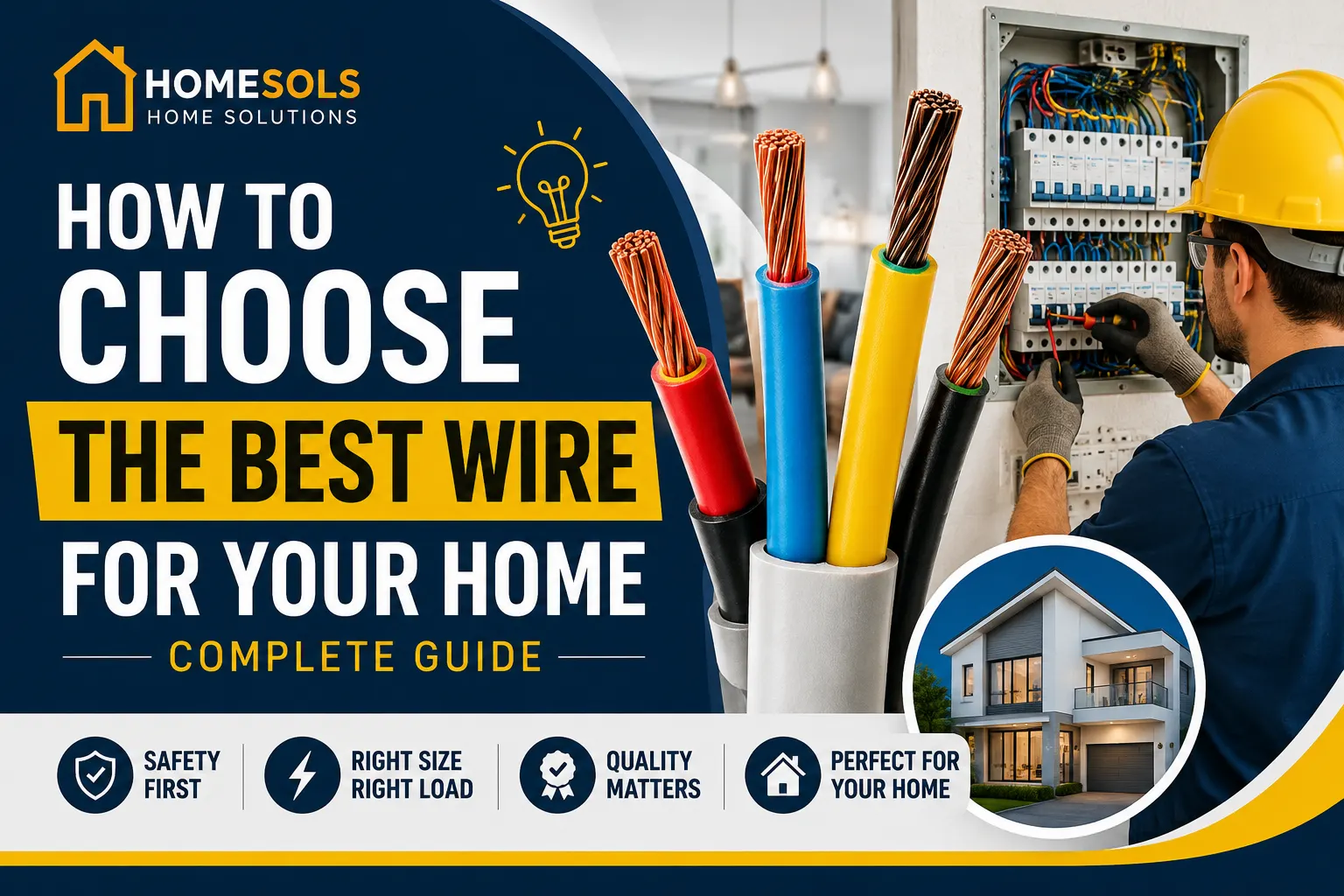
How to Choose the Best Electrical Wire for Your Home Installation
Choosing the right electrical wire is essential for a safe, efficient, and long-lasting home electrical system. This guide explains how to select the best wire based on material, size, insulation, and electrical load. Learn practical tips, avoid common mistakes, and make informed decisions to ensure your home's wiring is reliable and meets safety standards.
How to Choose the Best Electrical Wire for Your Home Installation
Electrical wiring is one of the most important parts of any home. Choosing the wrong wire can lead to overheating, electrical failures, expensive repairs, or even fire hazards. Whether you're building a new house, renovating a room, or replacing old wiring, selecting the right electrical wire ensures your home's electrical system remains safe, efficient, and durable.
This guide explains everything homeowners need to know before purchasing electrical wires, including wire types, wire sizes, insulation materials, safety certifications, and common mistakes to avoid.
Why Choosing the Right Wire Matters
Electrical wires carry electricity throughout your home. If a wire cannot safely handle the electrical load, it can overheat and damage appliances or create dangerous situations.
The right wire offers:
- Better electrical safety
- Improved energy efficiency
- Longer service life
- Reduced maintenance costs
- Compliance with electrical standards
- Reliable performance for years
Understand the Different Types of Electrical Wires
Not every wire is designed for the same purpose. Different areas of a house require different types of wiring.
1. Copper Wire
Copper wiring is the most popular choice for residential homes because it offers:
- Excellent electrical conductivity
- High durability
- Better flexibility
- Corrosion resistance
- Long lifespan
Copper wires are suitable for almost every residential electrical installation.
2. Aluminum Wire
Aluminum wire is lighter and less expensive than copper.
Advantages include:
- Lower cost
- Lightweight
- Good for large power distribution
However, aluminum expands more under heat and requires special connectors, making it less common for modern homes.
3. Single-Core Wire
Single-core wires contain one conductor.
Best for:
- Internal electrical panels
- Fixed installations
- Residential circuits
4. Multi-Core Wire
Multi-core wires contain multiple conductors.
Ideal for:
- Flexible connections
- Appliances
- Industrial equipment
- Extension wiring
Choose the Correct Wire Size
Wire size is one of the most critical factors.
A wire that is too small may overheat, while an oversized wire increases unnecessary costs.
Common residential wire sizes include:
Wire Size Common Uses:
1.5 mm² Lighting circuits
2.5 mm² Power sockets
4 mm² Air conditioners
6 mm² Water heaters
10 mm² Main power supply
Always consult a licensed electrician before selecting wire sizes for high-power appliances.
Check the Wire Insulation
The insulation protects the conductor from moisture, heat, and physical damage.
Popular insulation materials include:
PVC Insulation
- Affordable
- Water resistant
- Flexible
- Common in homes
XLPE Insulation
- Higher temperature resistance
- Longer lifespan
- Better durability
- Suitable for demanding environments
Verify Safety Certifications
Never buy uncertified electrical wires.
Look for wires certified by recognized standards such as:
- IEC Standards
- ISO Certified Manufacturers
- Local Electrical Safety Authorities
Certified wires undergo strict quality testing to ensure safety.
Consider the Electrical Load
Before purchasing wire, calculate the total electrical load.
Consider:
- Number of appliances
- Air conditioners
- Electric ovens
- Water heaters
- Washing machines
- Future electrical expansion
A professional load calculation helps prevent overloaded circuits.
Buy from Trusted Manufacturers
High-quality electrical wires provide better insulation and longer service life.
Choose manufacturers known for:
- Consistent quality
- Certified products
- Warranty support
- Good customer reviews
Avoid counterfeit or extremely cheap wires, as they may not meet safety standards.
Indoor vs Outdoor Wiring
Different environments require different wire specifications.
Indoor Wiring
- PVC insulated
- Standard moisture protection
- Installed inside walls
Outdoor Wiring
- UV resistant
- Waterproof insulation
- Heat resistant
- Weatherproof construction
Fire-Resistant Wires
For additional safety, consider fire-resistant or flame-retardant cables.
These wires:
- Reduce fire spread
- Continue operating during emergencies
- Produce less smoke
- Improve home safety
They are highly recommended for kitchens, commercial buildings, and multi-story homes.
Consider Future Electrical Needs
Many homeowners only plan for their current electricity usage.
However, future additions may include:
- Electric vehicles
- Solar systems
- Home automation
- Additional air conditioners
- Smart home devices
Choosing slightly higher-capacity wiring today can reduce renovation costs later.
Common Mistakes to Avoid
Many electrical problems occur because of poor planning.
Avoid these mistakes:
- Buying the cheapest wire available
- Ignoring wire certifications
- Using the wrong wire size
- Mixing aluminum and copper improperly
- Overloading circuits
- Ignoring voltage drop
- Installing outdoor wire indoors without proper protection
Tips for Safe Home Wiring
For maximum safety:
- Hire a qualified electrician.
- Use certified electrical materials.
- Install proper circuit breakers.
- Label all electrical circuits.
- Inspect wiring every few years.
- Replace damaged or aging wires promptly.
- Never overload extension boards.
Signs Your Home Wiring Needs Replacement
Older wiring should be inspected if you notice:
- Flickering lights
- Frequently tripping breakers
- Burning smell
- Warm electrical outlets
- Sparks from switches
- Discolored sockets
- Cracked insulation
If any of these signs appear, consult a licensed electrician immediately.
Need Professional Electrical Installation?
Choosing the right electrical wire is only the first step toward a safe and reliable home. If you're planning a new installation, upgrading old wiring, or need expert advice, our Electrician Services providers is here to help. We provide professional electrical wiring, repairs, switchboard upgrades, lighting installation, and complete residential electrical solutions. Contact us today for safe, efficient, and code-compliant electrical services.
الأسئلة الشائعة
Which wire is best for residential homes?
Copper wire is generally the best choice because it offers excellent conductivity, durability, flexibility, and long-term reliability.
What size wire is commonly used in homes?
Most homes use 1.5 mm² for lighting circuits, 2.5 mm² for sockets, and larger sizes such as 4 mm² or 6 mm² for high-power appliances.
Is copper better than aluminum wire?
Yes. Copper provides better conductivity, greater flexibility, and improved corrosion resistance, making it the preferred option for most residential electrical systems.
How can I identify a good quality electrical wire?
Choose wires with proper safety certifications, durable insulation, clear manufacturer labeling, and a strong reputation for quality.
How long do electrical wires last?
Quality electrical wiring can last 30–50 years or longer, depending on installation quality, environmental conditions, and maintenance.
Should I replace old electrical wiring?
If your home has aging wiring, frequent electrical issues, or visible damage, replacing outdated wires can significantly improve safety and reliability.
Related Posts



Need a Professional?
Browse verified service providers on HomeSols. From plumbers to electricians, find the right expert for your needs.
Browse Services